

Kilimanjaro Routes: Find Your Path to the Roof of Africa

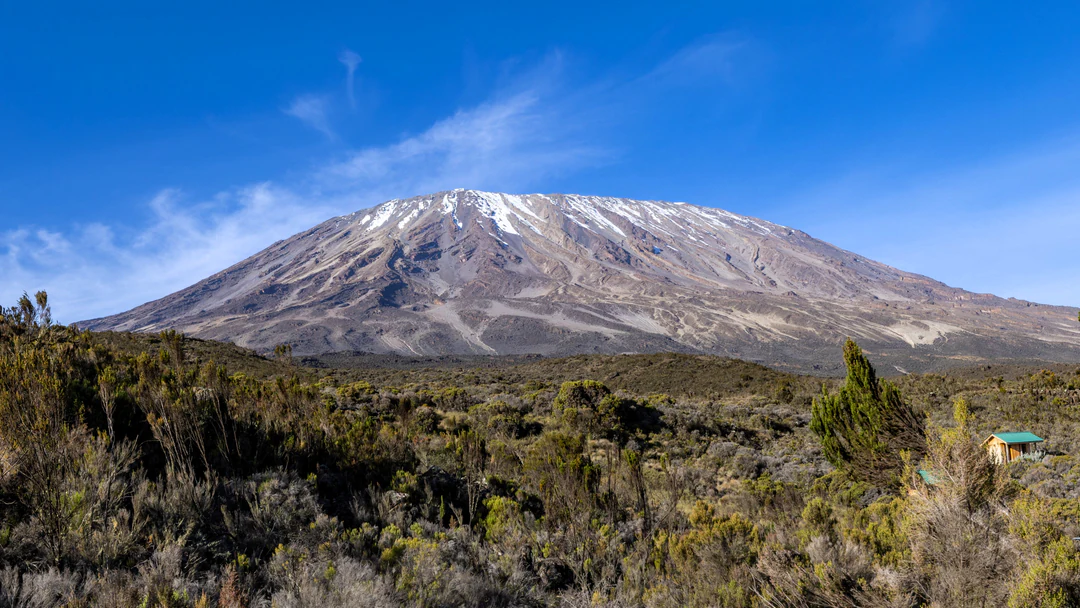
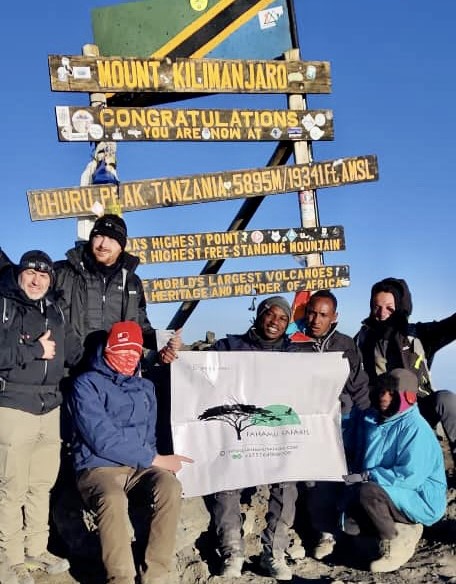
Every route to Uhuru Peak is a different journey, from the hut-to-hut Marangu Route to the quiet western start of Lemosho and the drier northern slopes of Rongai. Our Arusha team plans every climb as a private trip, with the route, number of days and pace that give you the best chance of standing on the summit at 5,895 m (19,341 ft).

Kilimanjaro Climbing Packages

Compare our Kilimanjaro routes below, each with a full day-by-day itinerary. The 6 days Marangu Route is the only route with hut accommodation, the 7 days Machame Route is a scenic and popular camping route, the 8 days Lemosho Route starts in the quiet west and gives you the most gradual climb, and the 8 days Rongai Route climbs from the drier northern side.
Every package includes airport transfers and a hotel night in Moshi before and after your climb. Short on time? Walk through the rainforest on our Kilimanjaro day hike, spend a night on the lower slopes with the 2 days Kilimanjaro hike, or acclimatize on Mount Meru before your main climb.

Travel Time
68
Type

Not Sure Which Route to Choose?

Tell us about your hiking experience, your travel dates and how many days you have. We will recommend the right route and send you a personal climbing plan.

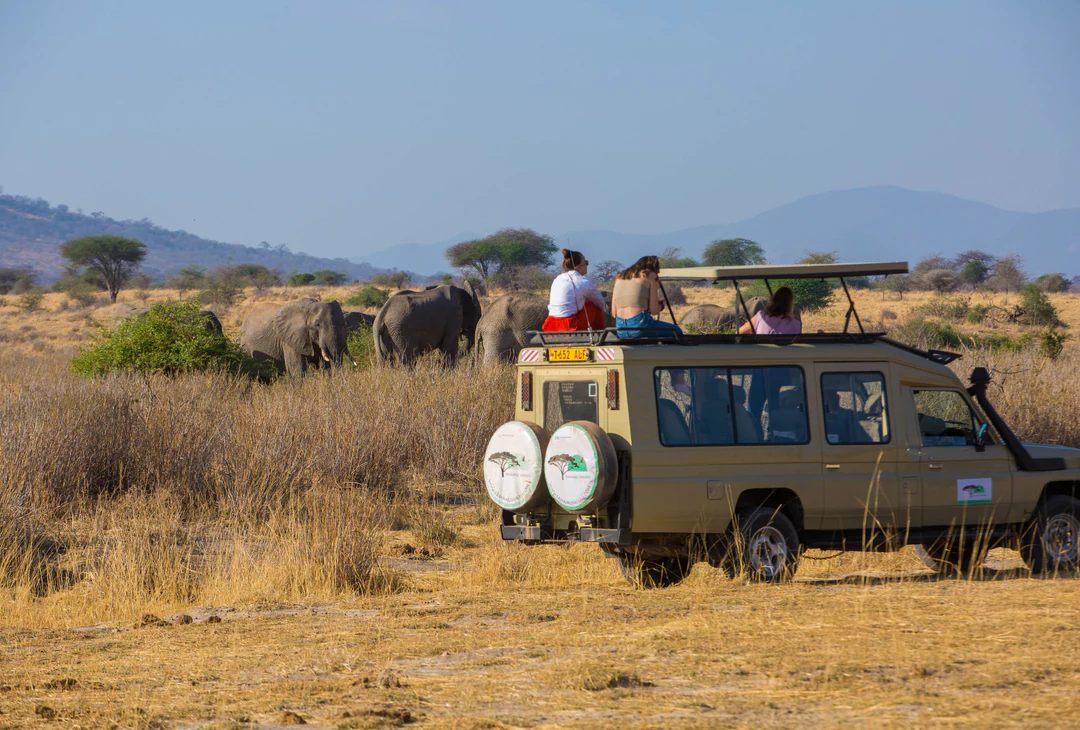
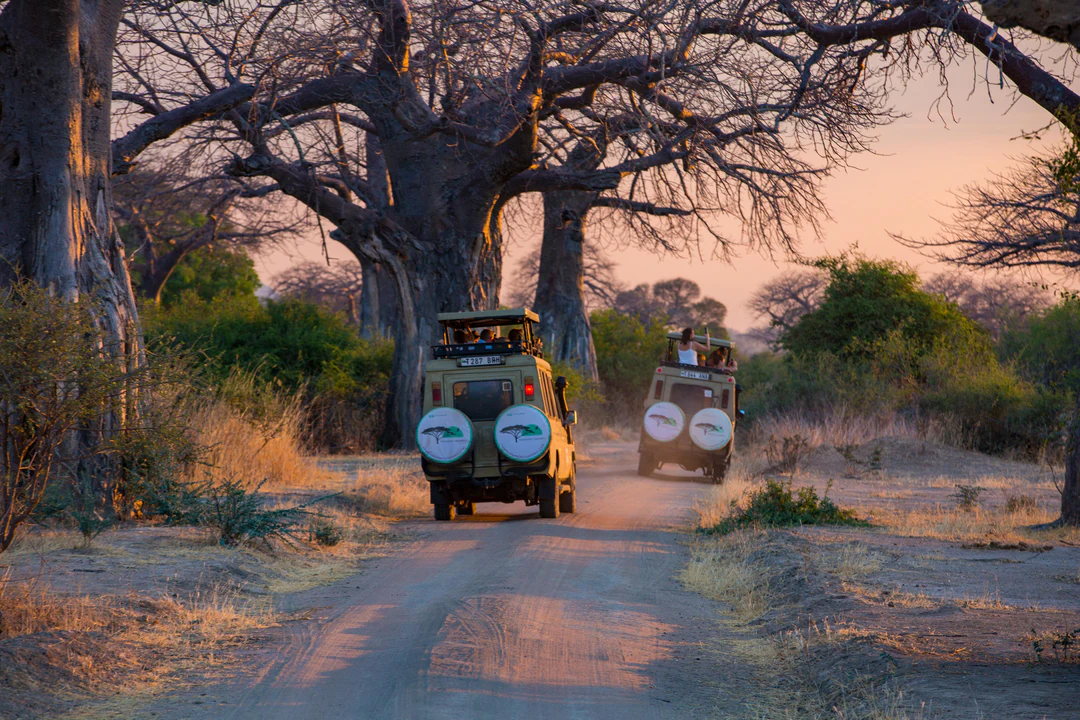
Fahamu Safaris fleet

How to Choose Your Kilimanjaro Route

Kilimanjaro is the highest mountain in Africa and one of the largest free-standing volcanoes in the world, protected as a UNESCO World Heritage Site since 1987. You do not need technical climbing skills to reach the top. What matters most is a route and itinerary that give your body time to adjust to the altitude. The routes differ in scenery, crowds, comfort and steepness, so the right choice depends on your experience, the time of year and how many days you can spend on the mountain.

More Days, Better Summit Chances

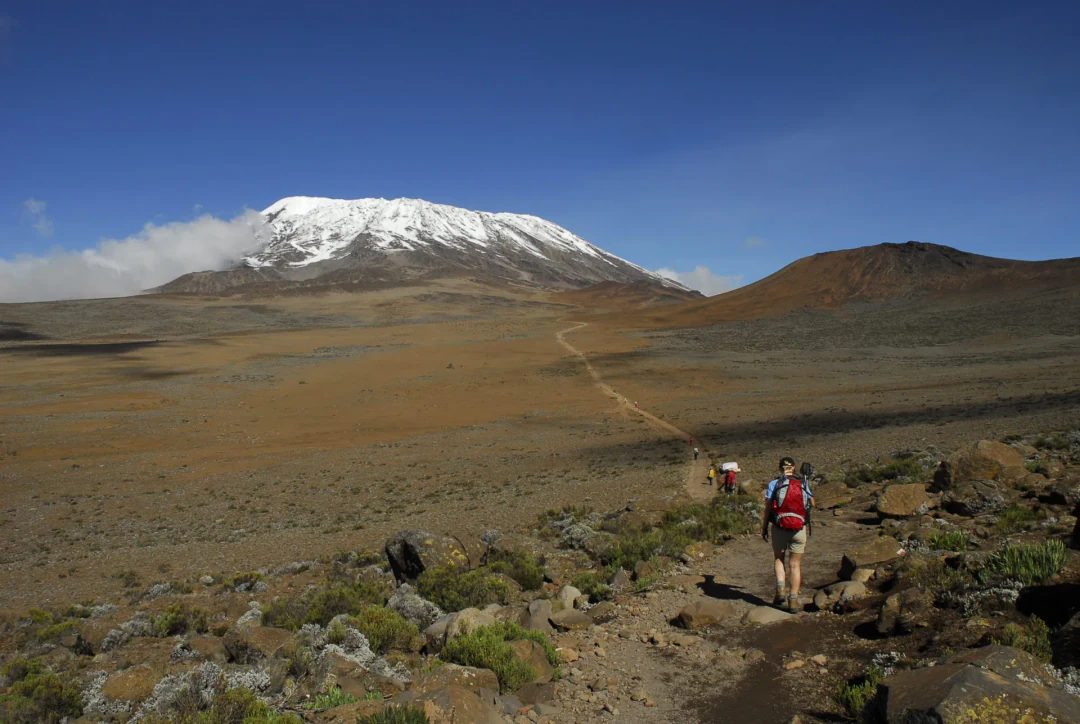
Altitude, more than fitness, is the main reason climbers turn back. Medical guidance from the CDC and the Wilderness Medical Society advises raising your sleeping altitude slowly and building in extra acclimatization time, and research on Kilimanjaro climbers has linked fast ascents to high rates of altitude sickness. That is why we run every route with at least six days on the mountain, including a climb-high, sleep-low day or a rest day for acclimatization. If you can spare the time, the 8 days Lemosho Route and the 8 days Rongai Route give you the most gradual climbs.

The Routes at a Glance

Marangu is the classic hut route, with a steady gradient and the same trail up and down. Machame and Lemosho share the spectacular southern circuit past Lava Tower and the Barranco Wall, with Lemosho adding a quiet start on the western side and an extra night on the mountain. Rongai is the only route that starts on the northern side, near the Kenyan border. Its slopes get less rain and its trail sees fewer climbers, and it comes down on the Marangu side so you see both faces of the mountain. The 7 days Umbwe Route is the steepest and most direct, and best kept for experienced trekkers.

Private Climbs With Your Own Crew

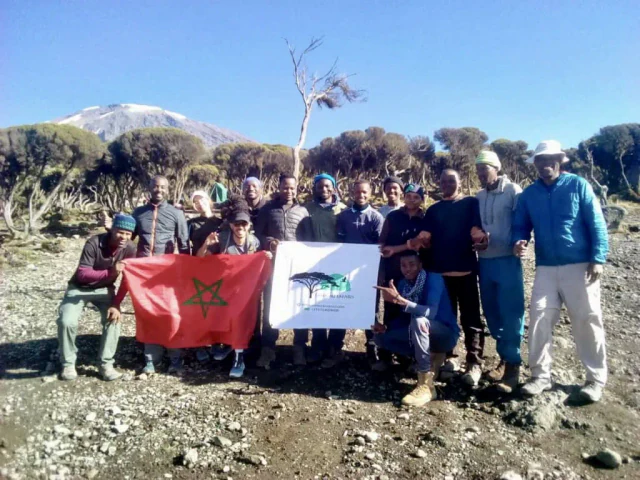
Every Fahamu climb is private, whether you are one climber or a group of seven or more travelling together. You have licensed mountain guides, with one guide for every three climbers, plus your own cook and porters. Your guides set a slow, steady pace, pole pole as we say in Swahili, and stay with you on summit night. Porters are the backbone of every climb. Tipping is optional but encouraged, and our Kilimanjaro tipping guide explains how to thank your crew.

More Days, Better Summit Chances
The Routes at a Glance
Safari lodgeTented camp

Where You'll Stay on the Mountain

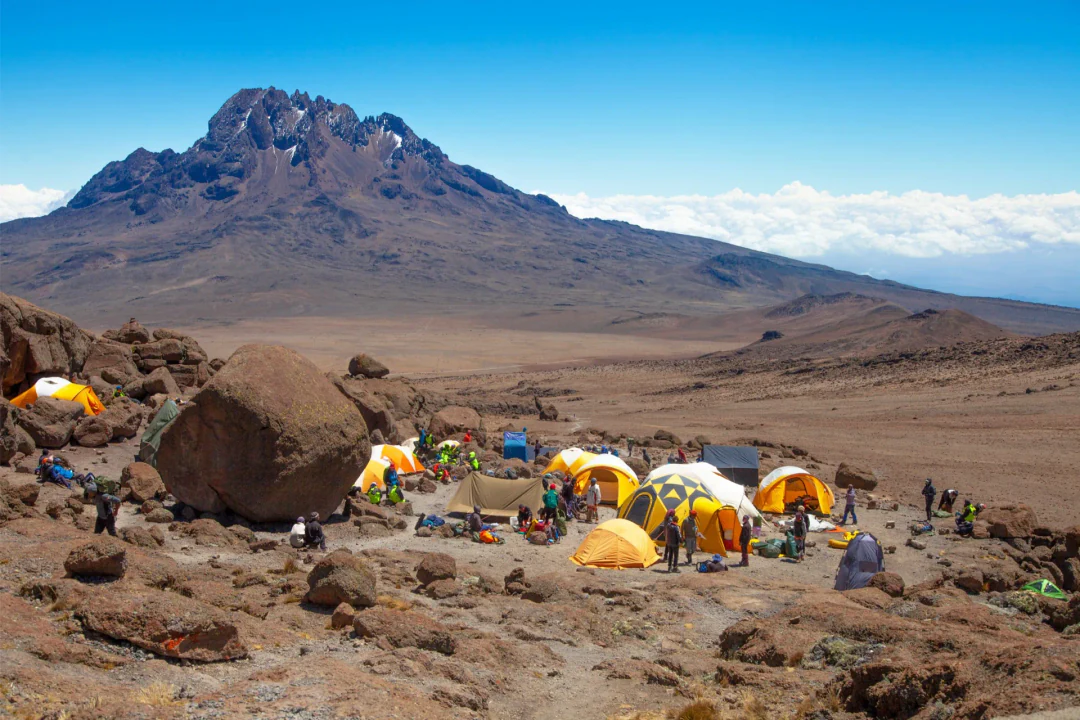
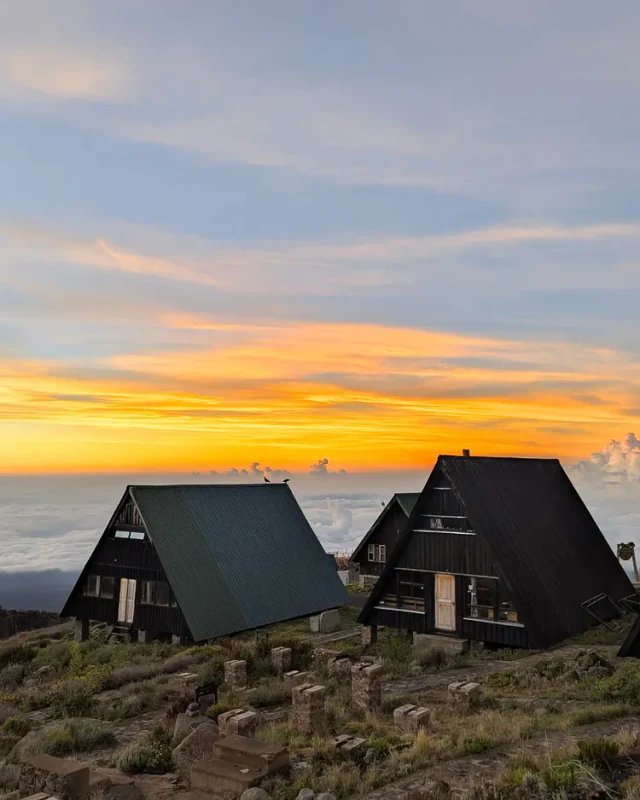
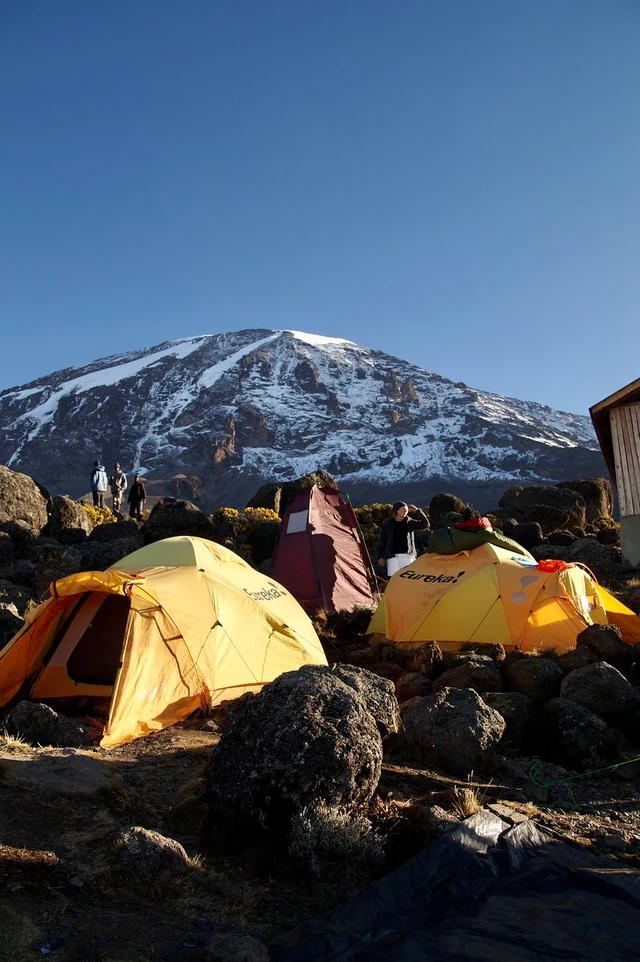
On the Machame, Lemosho and Rongai routes you sleep in tents at the official campsites. On the Marangu Route you stay in shared mountain huts with bunk beds. Your crew carries the equipment, sets up camp before you arrive and prepares hot drinks and meals, so you can focus on walking and resting.

  • Sleeping tents set up by your crew at each camp, plus a mess tent with a table and chairs
  • Three warm, filling meals a day and treated drinking water
  • A private portable toilet on the camping routes (on Marangu, the huts have shared toilets)
  • Shared huts with mattresses and pillows on the Marangu Route
  • A hotel night in Moshi before and after your climb, with dinner and breakfast
  • Wondering how to charge your phone or camera up there? Our guide to electronic gadgets on Kilimanjaro explains what works at altitude.

Prepared Before You Start

A successful climb starts long before the first step.

  • Airport pickup at Kilimanjaro International Airport and transfer to your hotel in Moshi
  • A briefing and gear check with your lead guide the evening before you set off
  • Bring your personal climbing gear, or rent anything you are missing, such as trekking poles or a sleeping bag, before the climb
  • All Kilimanjaro National Park fees, permits and your mountain crew arranged by our team

Get your kit ready with our Kilimanjaro packing list, and plan your budget with our Kilimanjaro climbing cost breakdown.

Safety on the Mountain

Your guides check how you feel throughout each day and measure your oxygen saturation and pulse with a pulse oximeter daily. They carry emergency oxygen and a first aid kit on every climb. If a climber shows serious signs of altitude sickness, the guide leads a safe descent, which is the most effective treatment, and rescue fees are included in your park fees. We ask every climber to have travel insurance that covers trekking up to 6,000 m.

Ready to Climb Kilimanjaro?

Tell us when you want to climb and which route interests you. We will reply with a tailored itinerary, honest advice on the best route for you and a clear quote, with no obligation to book.

Start Planning
What Our Guests

Testimonials

TripAdvisor wordmarkTripAdvisor Travelers' Choice Awards 2025

Tanzania Travel Guide

Helpful ideas before you start planning your safari.

Tanzania Travel Guide

Helpful ideas before you start planning your safari.

Best Time to Visit

Understand Tanzania's seasons, wildlife movement, and the Great Migration windows.

National Parks

Compare Serengeti, Ngorongoro, Tarangire, Lake Manyara, and other safari highlights.

What to Pack

A practical packing guide for game drives, bush camps, and changing safari weather.

Safari & Zanzibar

Plan the perfect balance between wildlife adventure and Indian Ocean relaxation.

Frequently Asked Questions

For most climbers, the Lemosho and Machame routes offer the best mix of scenery and acclimatization, with Lemosho the more gradual of the two over eight days. Marangu suits those who prefer sleeping in huts, and Rongai is quieter and a good choice in the wetter months. The best route for you depends on your experience, the season and how many days you have, and we are happy to help you decide.

The Marangu and Rongai routes have the gentlest gradients, and neither includes a scramble like the Barranco Wall. However, the easiest climb is usually the one with the most days, because extra time to acclimatize makes summit night far more manageable. Our 8 days Rongai Route combines a gentle trail with a rest day at Mawenzi Tarn, which makes it a good choice for first-time climbers.

Most climbs take six to nine days on the mountain. Our routes run from six days on Marangu to eight days on Lemosho and Rongai, plus a hotel night in Moshi before and after, so the full trip lasts eight to ten days. Shorter climbs are possible on some routes, but they give your body less time to adapt to the altitude.

The driest and most popular seasons are late December to early March and June to October. The long rains fall from late March to May and the short rains in November, when the trails are wetter and quieter. You can climb all year, and the Rongai and Marangu routes are good choices in the wetter months.

The price depends mainly on the route and the number of days, because park fees are charged for every day on the mountain. Our packages include park fees, your private crew, meals on the mountain, airport transfers and two hotel nights in Moshi. Tips for your crew are separate. Our Kilimanjaro climbing cost guide explains what makes up the price.

Tipping is optional but encouraged. We suggest these amounts per day for the whole group, not per climber: head guide 20-25 USD, assistant guide 15-20 USD, cook 12-15 USD and 8-10 USD for each porter. Tips are handed over at a short ceremony on your last morning on the mountain. Read more in our Kilimanjaro tipping guide.

No. Kilimanjaro is a trek, not a technical climb, so you do not need ropes or mountaineering skills. You do need good general fitness to walk for several hours a day, several days in a row, so we recommend regular long hikes with some uphill walking in the months before your trip.

Yes. Every climb is private, for one climber or a group travelling together, usually one to seven people and sometimes more. You have your own guides, with one guide for every three climbers, plus your own cook and porters, and we can adjust the pace and plan to suit your group.

Mild symptoms such as a headache or tiredness are common and usually improve with rest, fluids and a slower pace. Your guides check on you every day, including pulse oximeter readings, and you never go higher while feeling unwell. If symptoms become serious, they lead you down the mountain, which is the safest and most effective treatment.

Yes, and it is a great way to reward yourself after the climb. Many climbers follow Kilimanjaro with a private safari in the northern parks, and some finish with a few days on the beach on a safari and Zanzibar holiday.