Lodges and campsites in Karatu
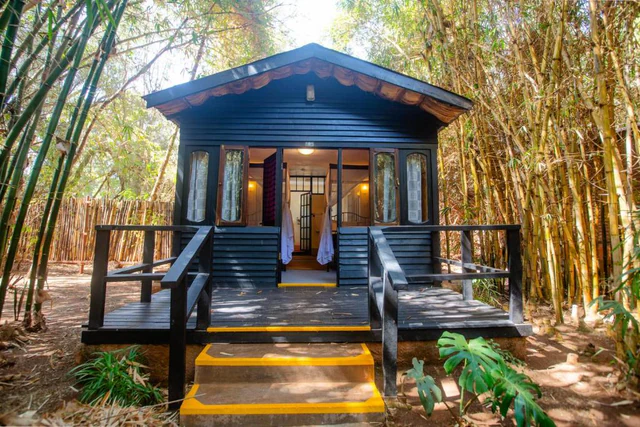
Simple lodges and campsites in and around Karatu, among coffee farms below the highlands, or the public campsite on the rim for a genuine bush night. Great value, with an easy early start to the crater gate.
Between two and three million years ago, a volcano that may once have stood as tall as Kilimanjaro collapsed in on itself and left the Ngorongoro Crater: a caldera roughly 19 km across, with a floor of about 260 km² lying some 600 m below its forested rim. Springs, swamps and a soda lake keep the floor green all year, so most of the wildlife that lives there has little reason to leave. The crater is the centrepiece of the Ngorongoro Conservation Area, an 8,292 km² UNESCO World Heritage Site where wildlife and Maasai pastoralists share the land. It is managed by the Ngorongoro Conservation Area Authority rather than Tanzania National Parks, and it is not a national park, which is why Maasai herders and their cattle are a common sight in the highlands and why the fees work differently.
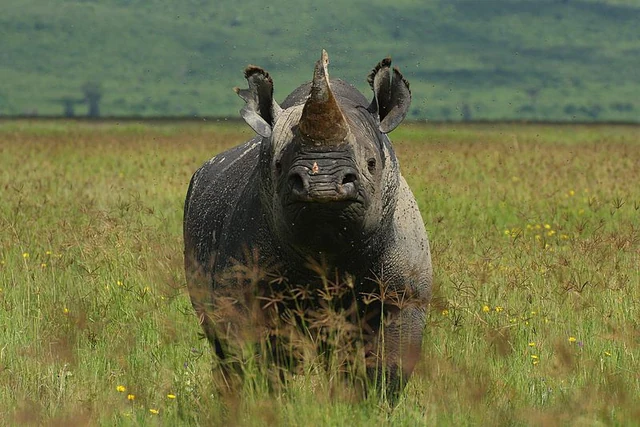
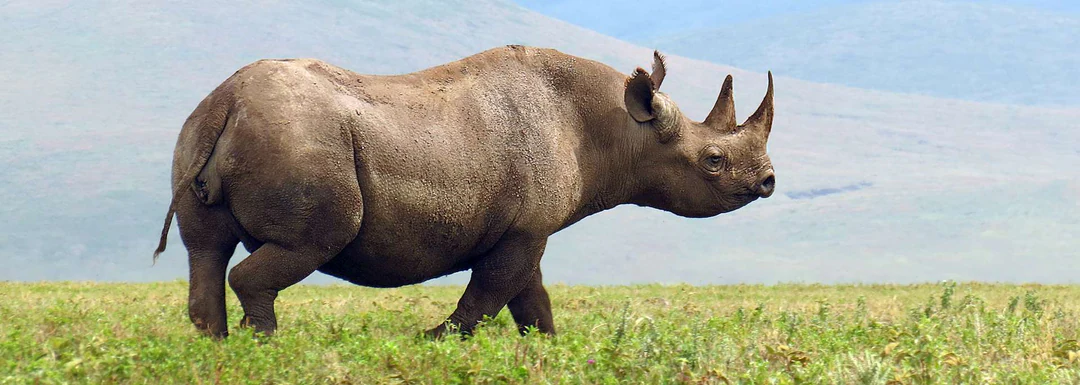
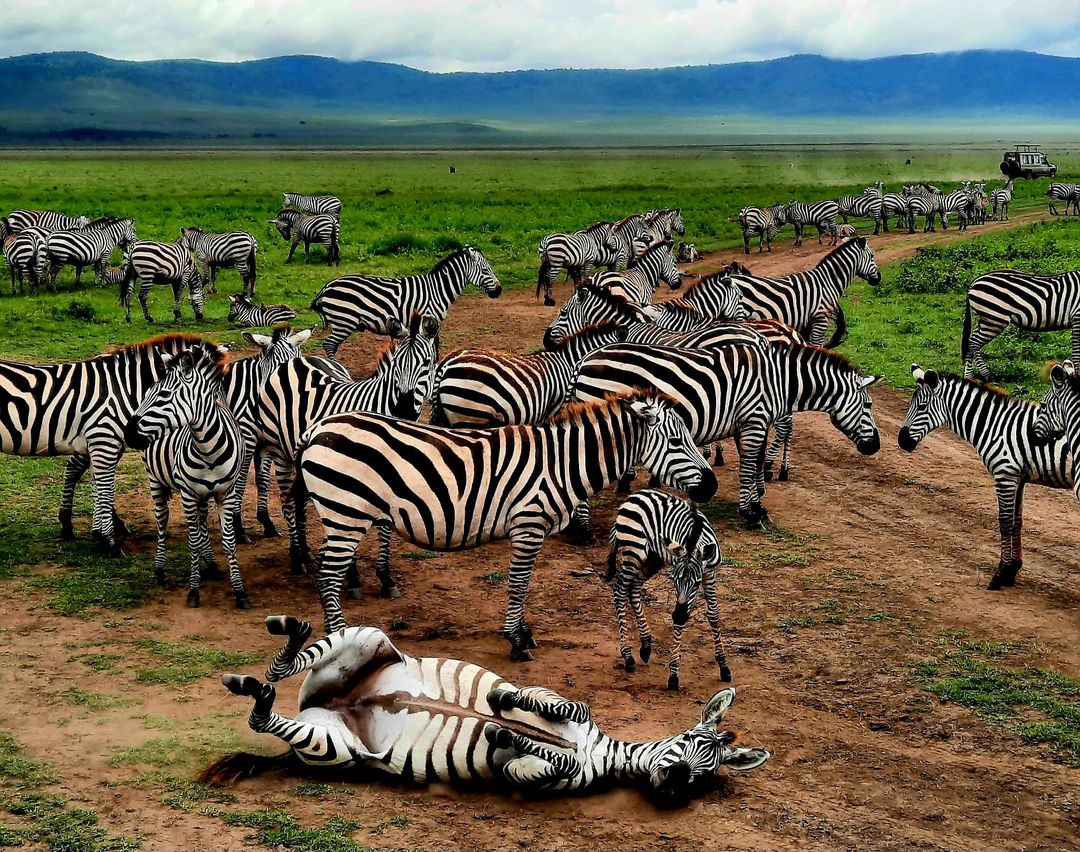
On the crater floor, lion, spotted hyena, buffalo, wildebeest, zebra, eland and hippo are easy to see, along with old bull elephants carrying some of the largest tusks in Tanzania. Flamingos gather on Lake Magadi when water levels suit them. The crater is also one of the best places in East Africa to see the critically endangered black rhino, most often on the open grassland near the Lerai Forest. Most visitors see the crater on a game drive as part of a northern circuit safari, between Lake Manyara or Tarangire and the Serengeti. Our Ngorongoro Crater day trip from Arusha works if you are short of time, while a night on the rim or in Karatu lets you be at the gate when it opens and on the crater floor before the crowds.

A visit is built around one long game drive on the crater floor, starting as early as the gates allow. Time down there is limited by the conservation authority, so we plan the drive around where the rhino, lions and elephants have been seen. The wider conservation area adds hikes, history and Maasai culture.
Because the crater floor has permanent water, most of its animals stay all year, so there is no bad time to visit. The seasons change the colour of the landscape, the number of vehicles and what is happening just beyond the crater walls.
Whenever you come, the rim sits at around 2,300 m and is much cooler than the rest of your safari, so pack a warm layer for early mornings. For rainfall and temperatures by month, see our Tanzania weather guide. Let us plan your crater day or fit in with other parks. →

Simple lodges and campsites in and around Karatu, among coffee farms below the highlands, or the public campsite on the rim for a genuine bush night. Great value, with an easy early start to the crater gate.

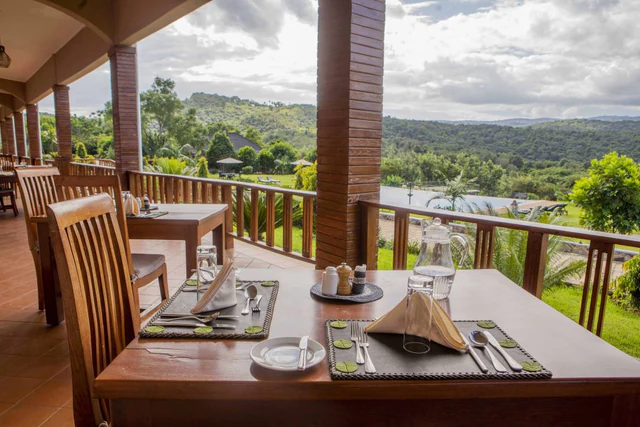
Comfortable lodges on coffee estates around Karatu, or larger lodges on the crater rim with views straight down onto the crater floor.

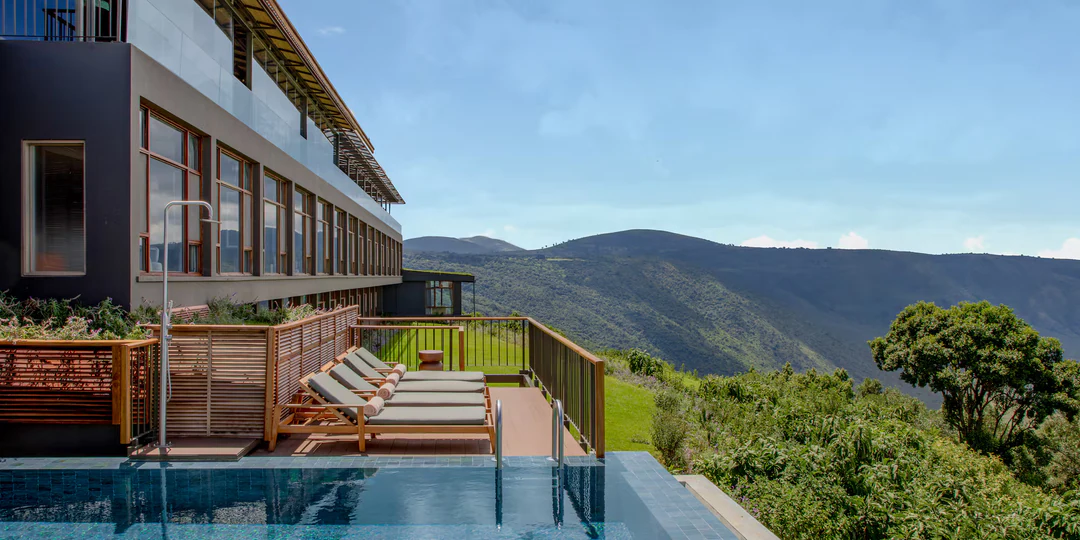
Exceptional lodges perched on the rim, with suites looking over the caldera, fires in the evening and the shortest possible drive to the descent road at dawn.
Start with one of these safaris that include the Ngorongoro Crater, then work with a local planner in Arusha to change the pace, the camps and the length.