Camps outside the gate
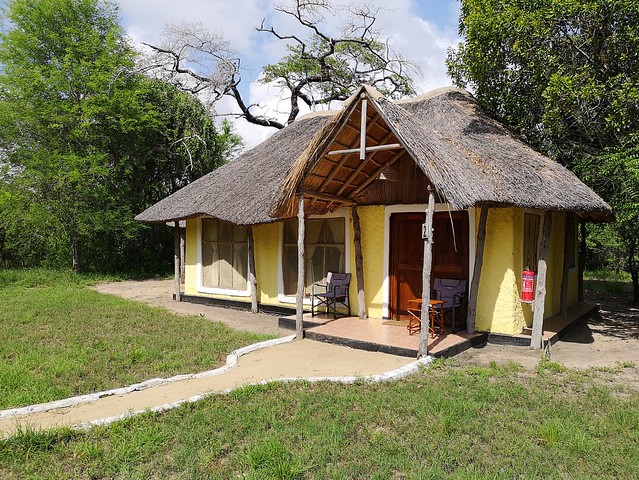
Simple tented camps and bandas just outside the park near Mtemere gate, some on the banks of the Rufiji. Good value, with boat trips and game drives into the park.
Outside Mtemere gate
Southern Circuit · Tanzania
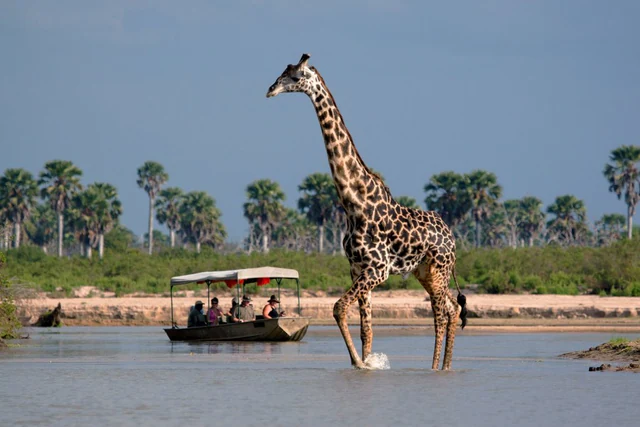
30,893 km² of river, lakes and wild woodland in southern Tanzania, carved out of the famous Selous Game Reserve in 2019 to become the country's largest national park. The Rufiji River runs through its heart, and it is one of the few places in Tanzania where you can go on safari by boat, on foot and by vehicle in a single day.
Tripadvisor
Travelers' Choice Awards
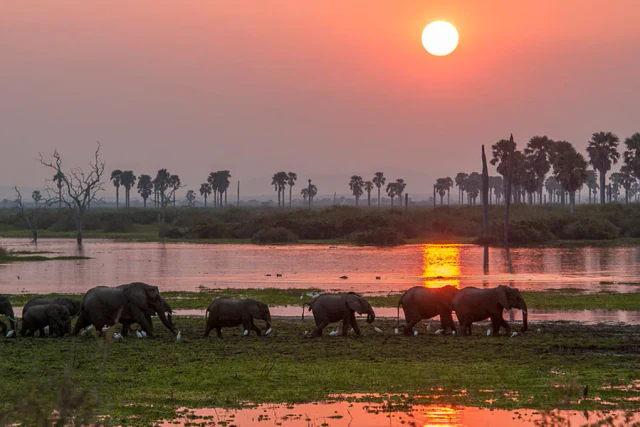
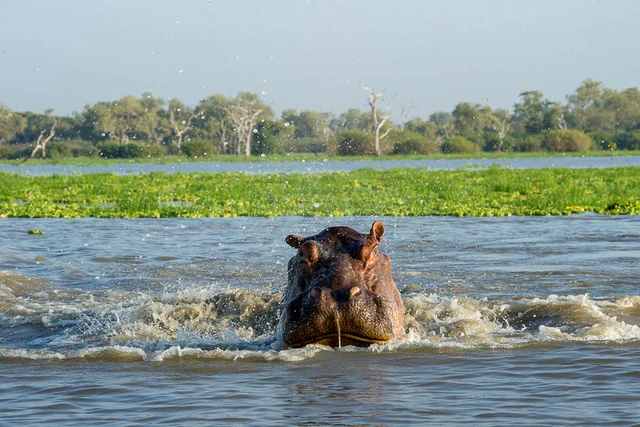
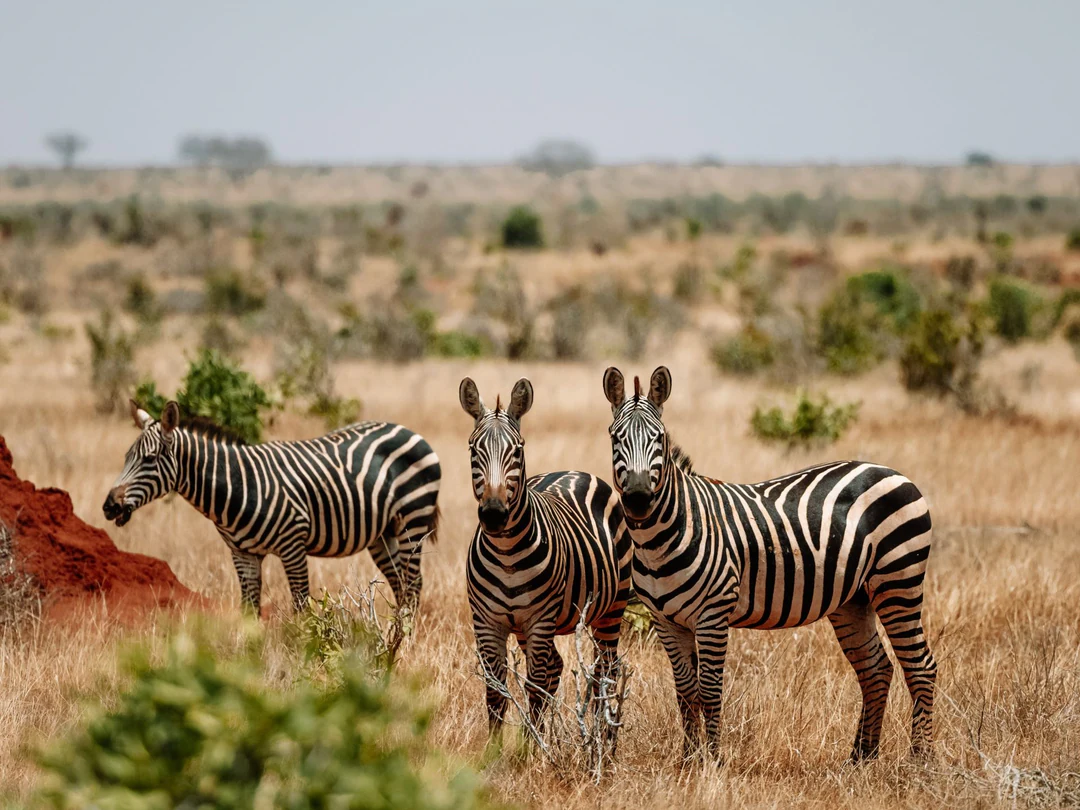
For decades, travellers knew this corner of Tanzania as the Selous Game Reserve, one of the largest protected areas in Africa and a UNESCO World Heritage Site since 1982. In 2019, the northern part of the reserve, where photographic safaris take place, became Nyerere National Park, named after Julius Nyerere, Tanzania's first president. At 30,893 km², it is now the largest national park in Tanzania, and the Selous Game Reserve continues to the south. The park is shaped by water. The Rufiji, Tanzania's largest river, winds through it in a maze of channels, sandbanks and oxbow lakes, feeding Lakes Tagalala, Manze and Siwandu. Hippo and crocodile crowd the water, elephant and buffalo come down to drink, and the palm-fringed lakes are alive with fish eagles, skimmers, storks and kingfishers. More than 440 bird species have been recorded in the wider Selous ecosystem.
Nyerere is also one of Africa's strongholds for the African wild dog, and one of the best places in Tanzania to see them. Lion, leopard, spotted hyena, giraffe, eland, sable antelope and big herds of buffalo complete a picture that feels far wilder than the park's closeness to Dar es Salaam suggests. Flights from Dar es Salaam take about 45 minutes and from Zanzibar around an hour, so Nyerere pairs easily with a beach holiday. Our 3-day Selous safari is the quickest way in, and many guests combine the park with Ruaha, Mikumi or a few days on Mafia Island.
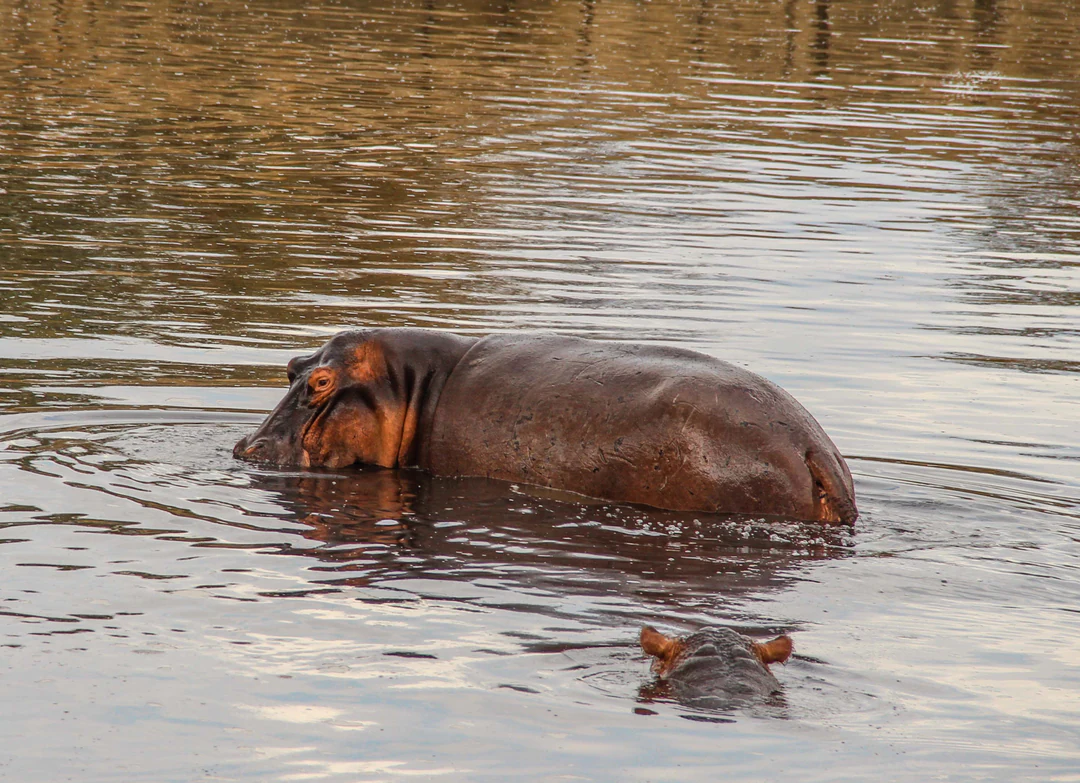
Nyerere is one of the most varied safari parks in Africa. Its waterways make a boat as useful as a vehicle, and walking and fly camping are part of daily life at many camps. A typical stay mixes all three.
When to go
Like the rest of southern Tanzania, Nyerere has one long rainy season and one long dry season. The dry months are best for wildlife, while the wet months bring birds and green landscapes but cause many camps to close.
Nyerere is low-lying and close to the coast, so it is warm to hot for much of the year, and a midday rest in the shade of camp is part of the rhythm. For rainfall by month, see our Tanzania weather guide. Let us know which season fits you well and we can plan Nyerere around the river. →
Simple tented camps and bandas just outside the park near Mtemere gate, some on the banks of the Rufiji. Good value, with boat trips and game drives into the park.
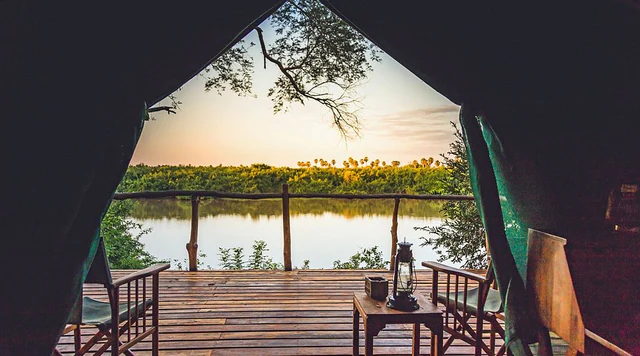
Comfortable tented camps on the Rufiji and the lakes, with en-suite tents, verandas over the water and boat, walking and driving activities from camp.
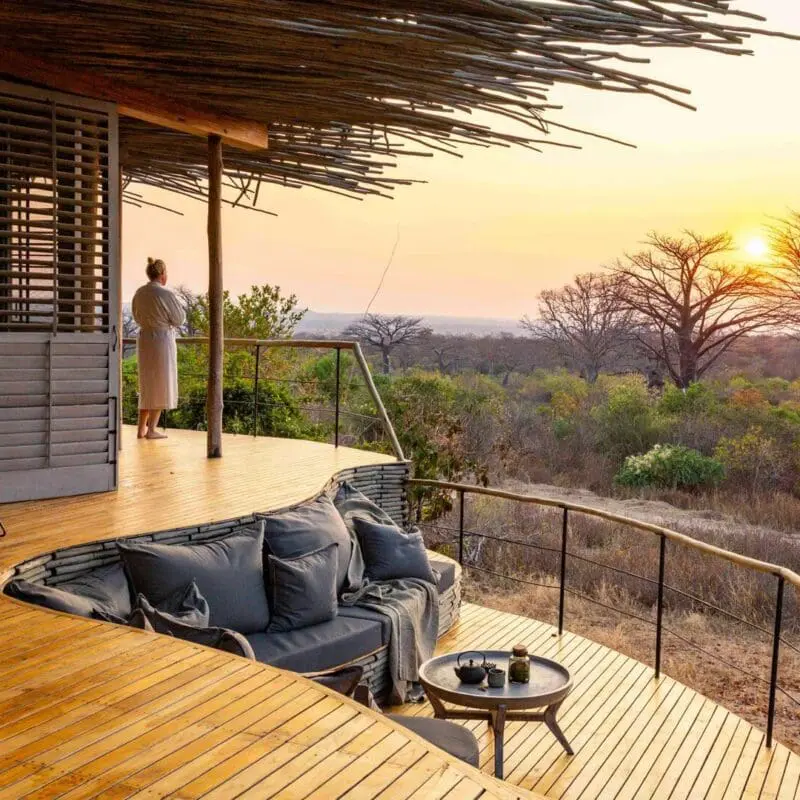
Spacious suites on the best stretches of the Rufiji and Lake Siwandu, with private plunge pools, fly camping and exceptional guiding.
Start with one of these safaris that include Nyerere, then work with a local planner to change the pace, the camps and the length.