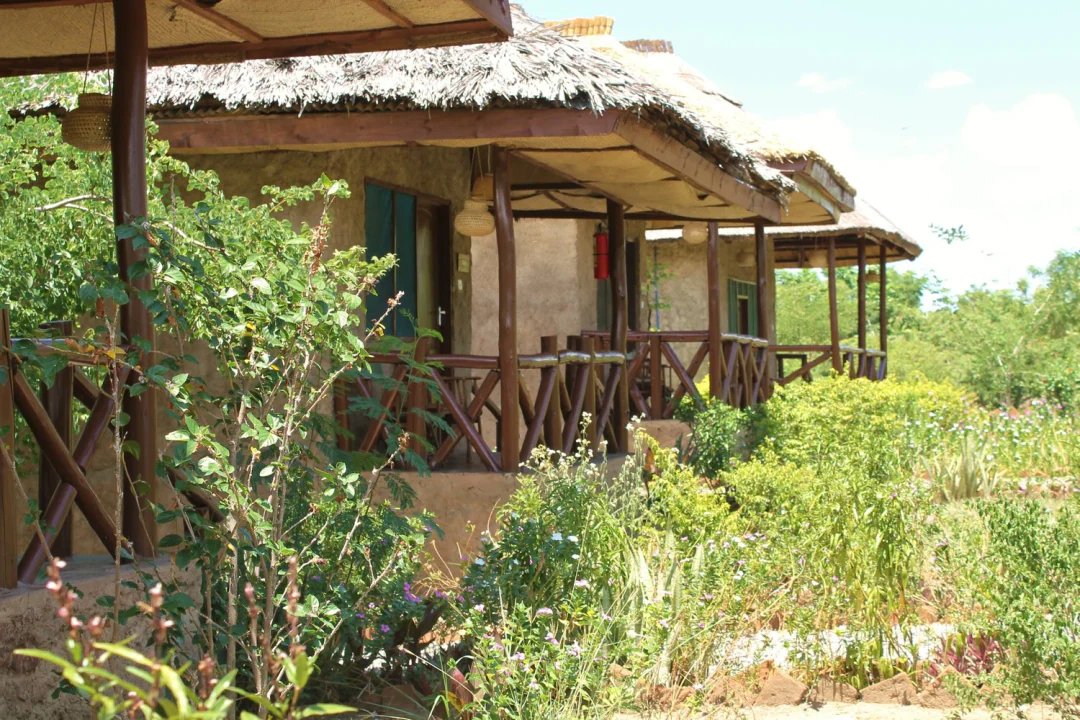
Lodges and campsites near the park
Simple lodges in Mikumi town just outside the park, and public campsites inside it. Ideal for short and budget safaris, with game drives starting minutes from your door.
Mikumi town and park campsites
Southern Circuit · Tanzania
Mikumi Park is 3,230 km² of open floodplain and wooded hills about four to five hours from Dar es Salaam, with lion, elephant, buffalo, giraffe and zebra on the Mkata plains. The easiest classic safari in southern Tanzania, and the natural choice for a short safari from Dar es Salaam or Zanzibar.
Tripadvisor
Travelers' Choice Awards
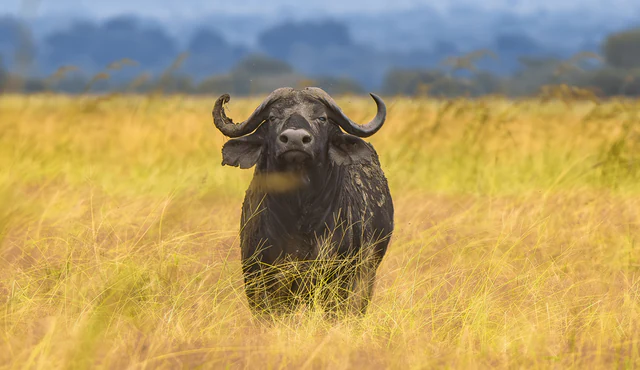
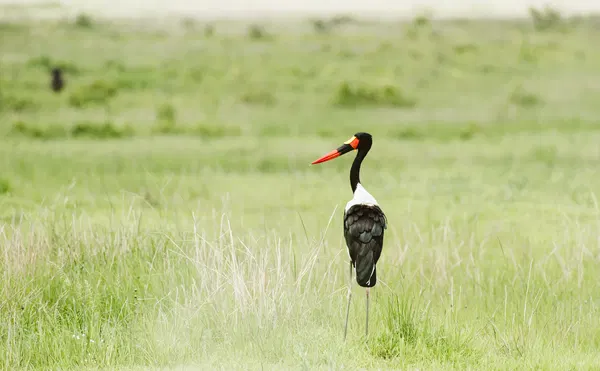
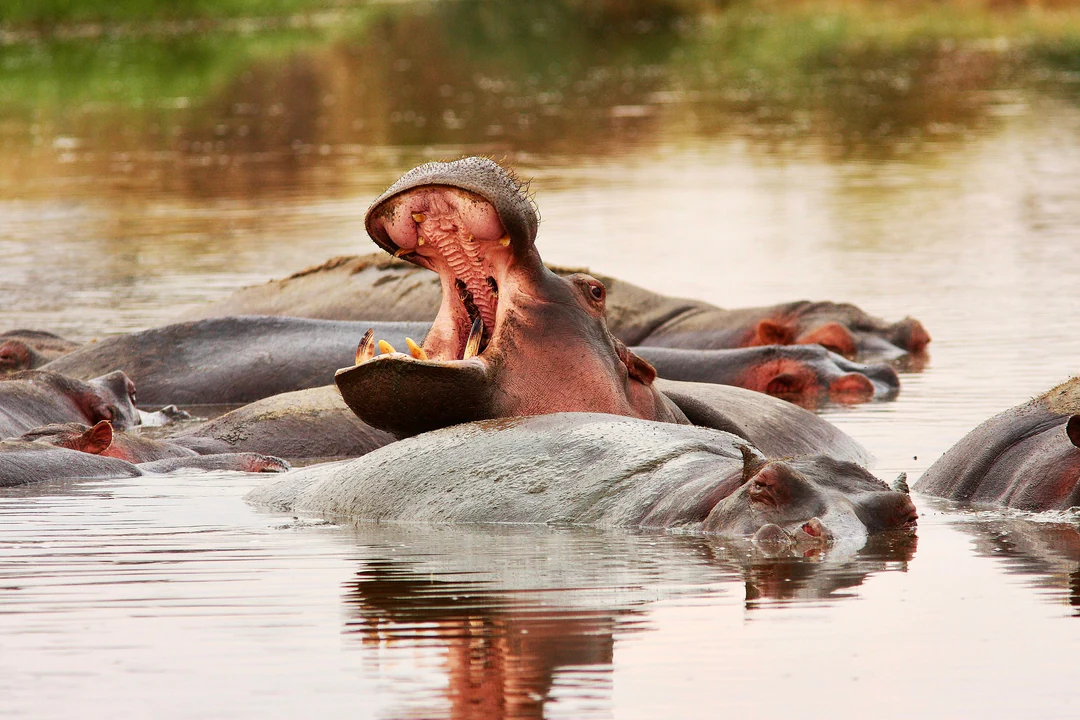
Mikumi National Park was established in 1964 and covers 3,230 km² between the Uluguru Mountains to the northeast and the Rubeho Mountains to the west. To the south it runs into Nyerere National Park, and together they form part of one of the largest protected wilderness areas in Africa. At its heart is the Mkata floodplain, open grassland dotted with baobab, tamarind and palm that is often compared to the Serengeti. Lion, elephant, buffalo, giraffe, zebra, wildebeest, eland, impala and hippo are seen here regularly, and the wooded hills in the south hold greater kudu and sable antelope. Leopard, the occasional pack of wild dog and more than 400 bird species complete the picture.
What makes Mikumi special is access. The main highway from Dar es Salaam toward Zambia runs through the park, so you can be on a game drive the same day you leave the city. That makes it one of the most practical safaris in Tanzania for travellers with one to three days, including those on a Zanzibar beach holiday who want wildlife without a long flight north. Mikumi rewards a longer stay too. It pairs naturally with the forests and waterfalls of the Udzungwa Mountains next door, or with boat safaris in Nyerere National Park. For the quickest taste, our Mikumi day trip is a full day in the park, but one or two nights let you be out in the early mornings and late afternoons, when the animals are most active.
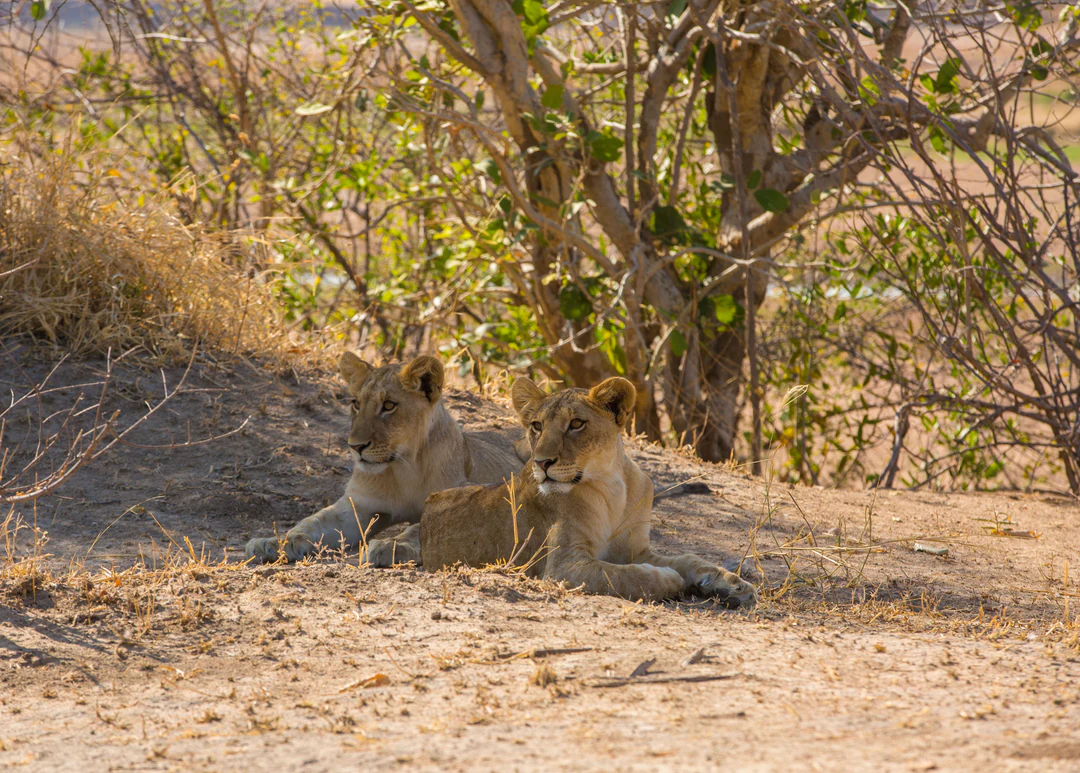
Mikumi is an open, easy park to explore. Game drives are the heart of any visit, and the gentle terrain means you cover a lot of ground in a day. Around them you can add a walk, a stop at the hippo pools or a side trip into the mountains.
Mikumi is open all year, and because it is so easy to reach it works for a short trip in almost any month. The dry season is best for wildlife, while the wet months bring birds, lush scenery and lower prices.
Because a tarmac highway runs through the park, Mikumi stays accessible even in the rains, which makes it one of the more reliable wet-season safaris in Tanzania. For monthly rainfall, see our Tanzania weather guide. Let us know which time suits you and we will plan together. →
Simple lodges in Mikumi town just outside the park, and public campsites inside it. Ideal for short and budget safaris, with game drives starting minutes from your door.
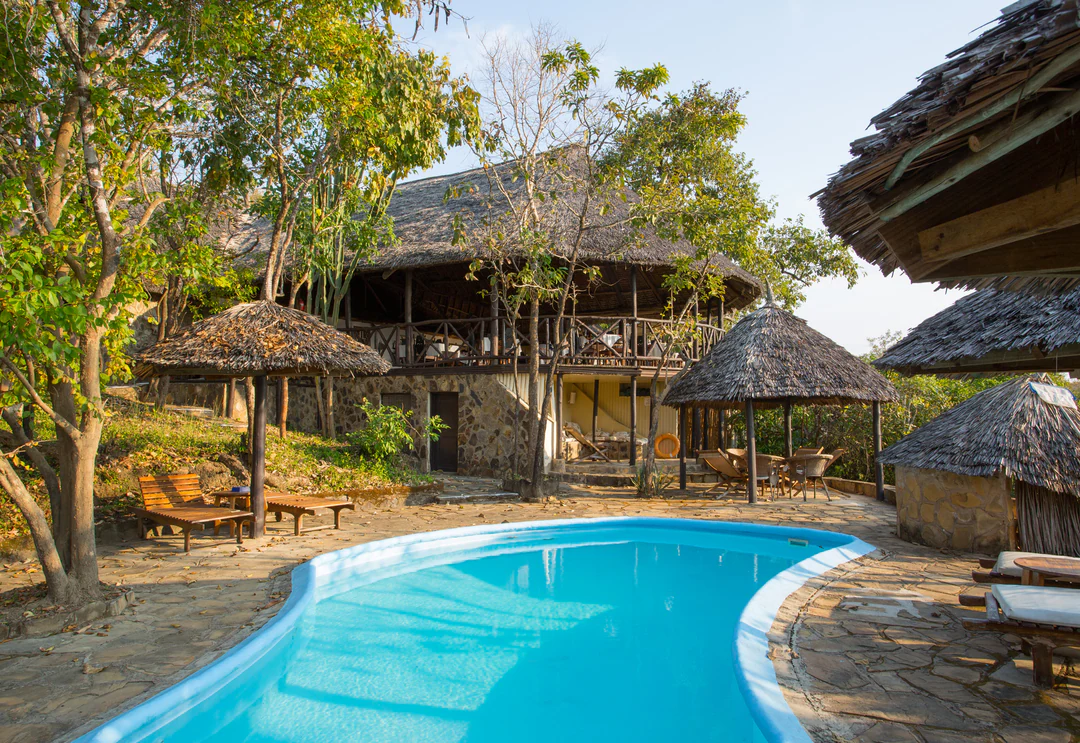
Comfortable tented camps and lodges inside the park, several overlooking waterholes where elephant and buffalo come to drink, with en-suite rooms and full-board meals.
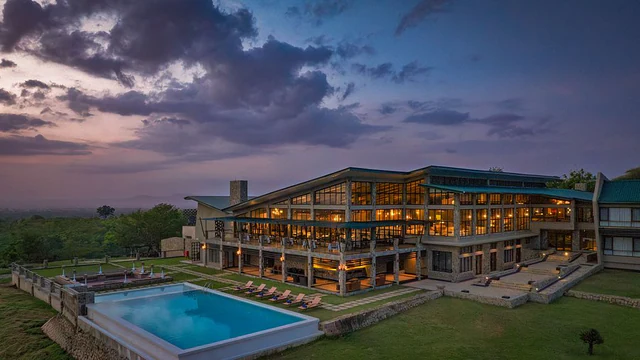
Mikumi has only a handful of upmarket camps, set away from the highway with private verandas, good food and a more remote feel. For a fuller luxury experience, many guests combine Mikumi with Nyerere or Ruaha.
Start with one of these routes, then work with a local planner to change the pace, the camps, and the length.