Bandas and simple camps
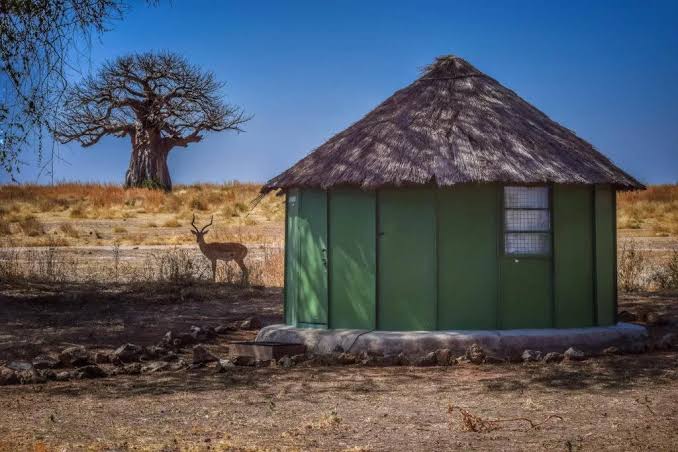
TANAPA run bandas and simple tented camps near the park headquarters, plus lodges outside the gate. A good choice for travellers coming by road from Iringa.
Near the park headquarters and main gate
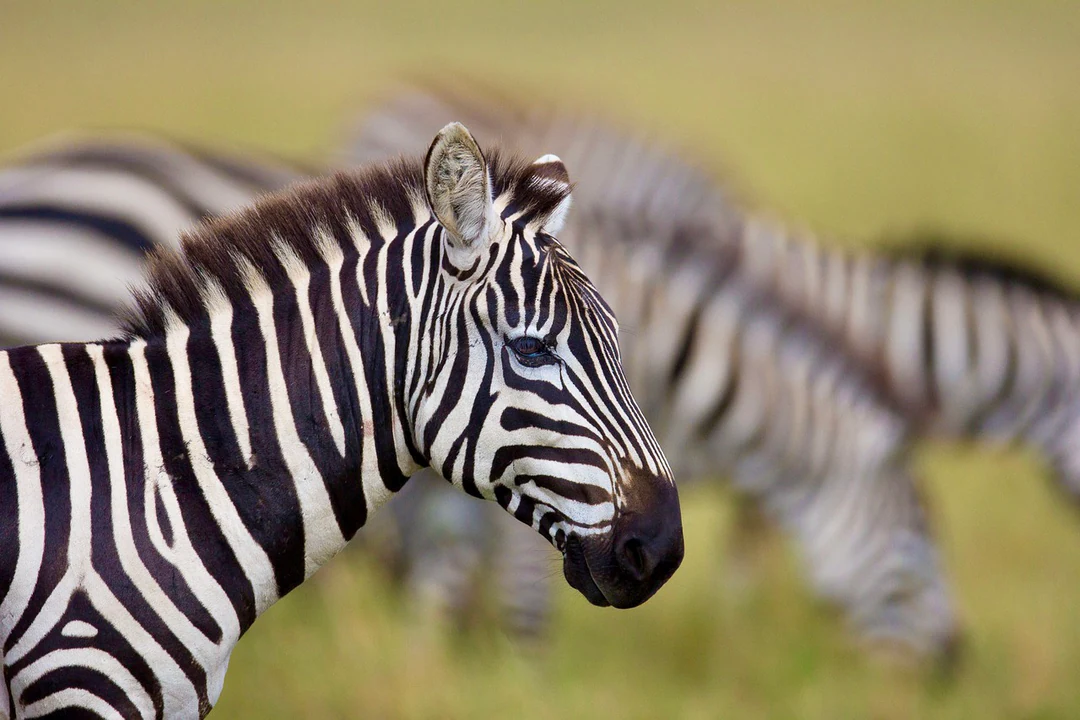
Southern Circuit · Tanzania
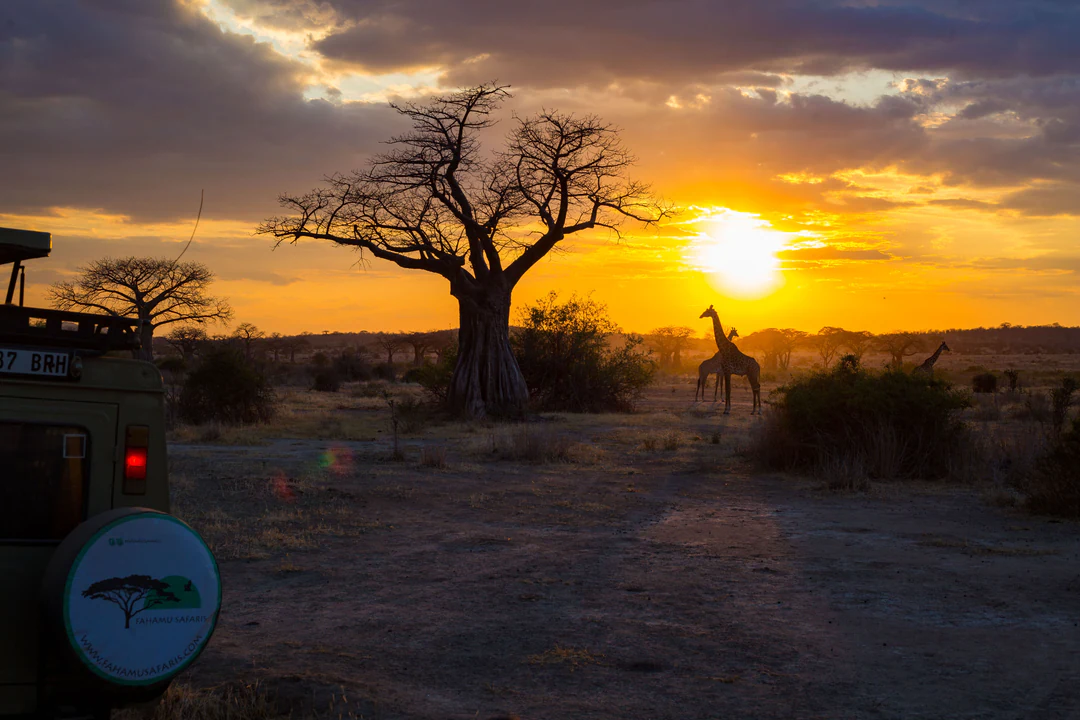
Ruaha park is 20,226 km² of baobab-studded hills, sand rivers and miombo woodland in the heart of Tanzania, where large lion prides hunt buffalo along the Great Ruaha River. One of the largest national parks in Africa, and one of the least crowded, with only a handful of camps across its vast wilderness.
Tripadvisor
Travelers' Choice Awards
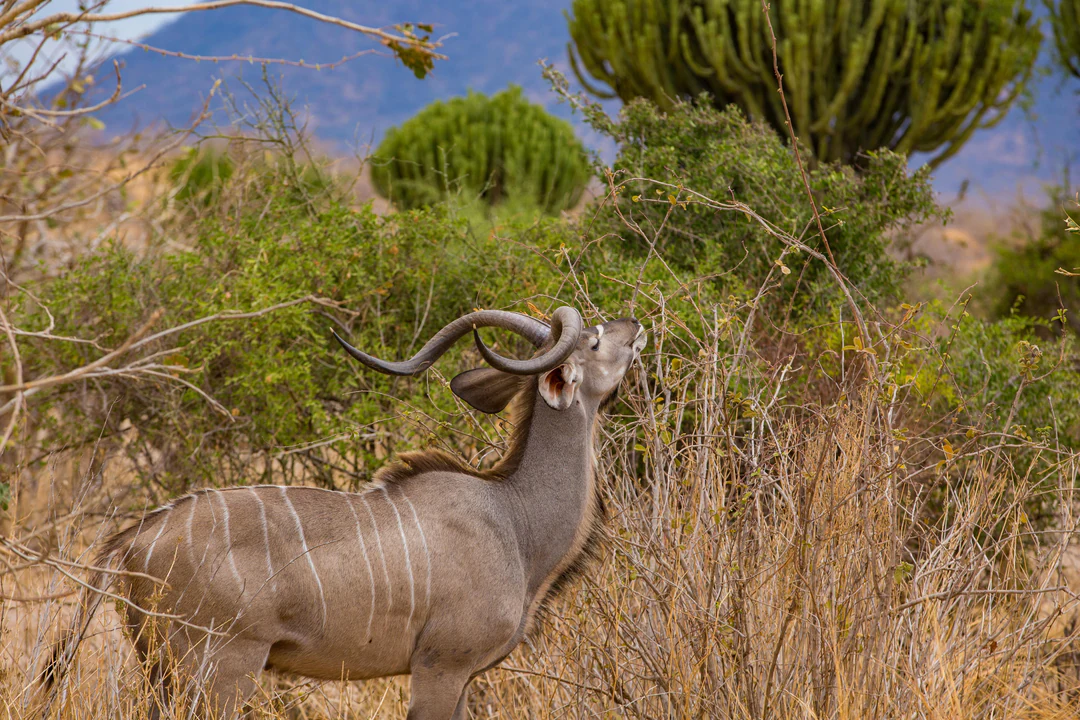
Ruaha National Park lies in south-central Tanzania, west of the town of Iringa. It was gazetted in 1964, and after an expansion in 2008 it covers 20,226 km², making it the second largest national park in Tanzania after Nyerere. It takes its name from the Great Ruaha River, which runs along its eastern side and is the lifeline for its wildlife in the dry season. Ruaha sits where the landscapes of East and southern Africa meet, which gives it an unusual mix of species. Greater and lesser kudu live side by side, sable and roan antelope move through the miombo woodland, and Grant's gazelle graze the open plains. Elephants gather in large numbers along the river, and more than 570 bird species have been recorded.
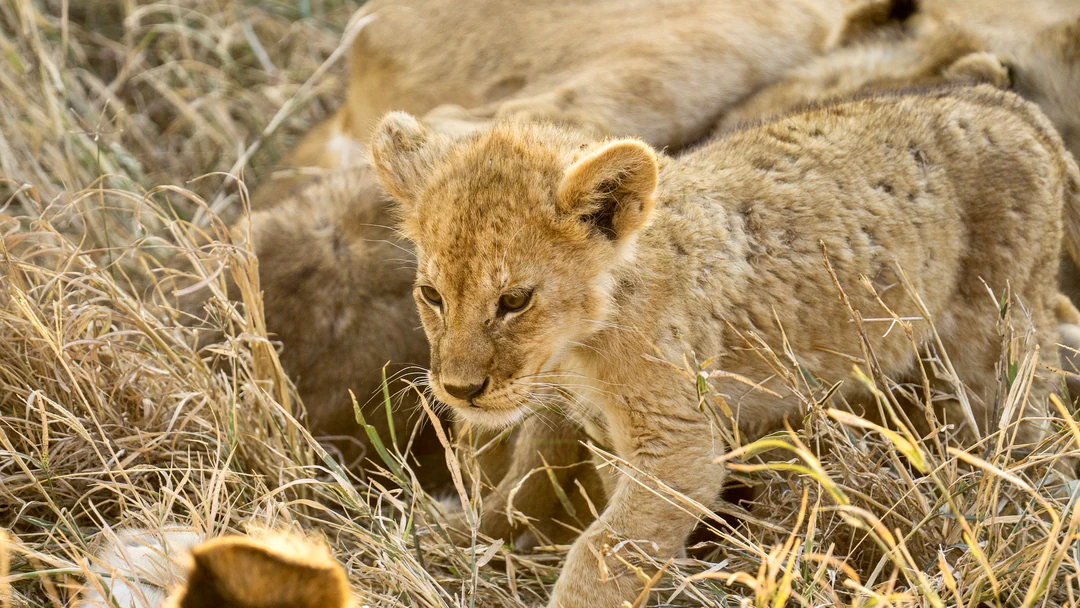
The park is best known for its predators. The wider Ruaha landscape is thought to hold around one in ten of Africa's remaining lions, and prides of 20 or more are not unusual. Leopard are common, cheetah hunt on the open plains in the north, and Ruaha is one of the places in Tanzania to see African wild dog, which roam huge territories but are almost hardly guaranteed to see. What makes Ruaha special is the feeling of space. With only a few camps across an area the size of a small country, you rarely share a sighting, and walking safaris and fly camping take you further still. Most guests fly in, and many combine Ruaha with boat safaris in Nyerere National Park or a few days on Mafia Island or the Zanzibar coast.
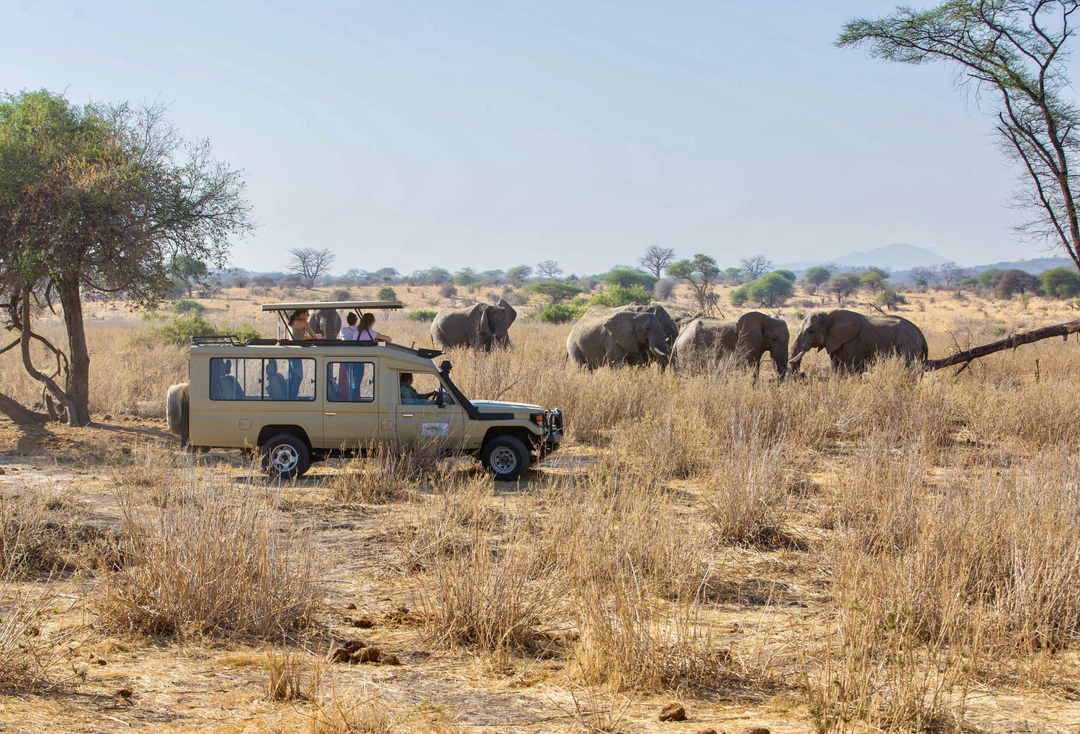
Ruaha is a park for people who want to feel the wilderness as well as see it. Game drives follow the rivers and sand banks where wildlife gathers, while walks and fly camping let you slow down and experience the bush on foot.
Southern Tanzania has one long rainy season rather than two, which makes Ruaha's year simple: a long dry season that is superb for wildlife, and a green season that brings birds, flowers and lower prices.
Ruaha is a strong alternative to the northern parks in July and August, when the north is at its busiest and Ruaha's rivers are drawing wildlife in. For rainfall by month, see our Tanzania weather guide. Let us know whatever your dates are, we match Ruaha to the season that suits you. →
TANAPA run bandas and simple tented camps near the park headquarters, plus lodges outside the gate. A good choice for travellers coming by road from Iringa.
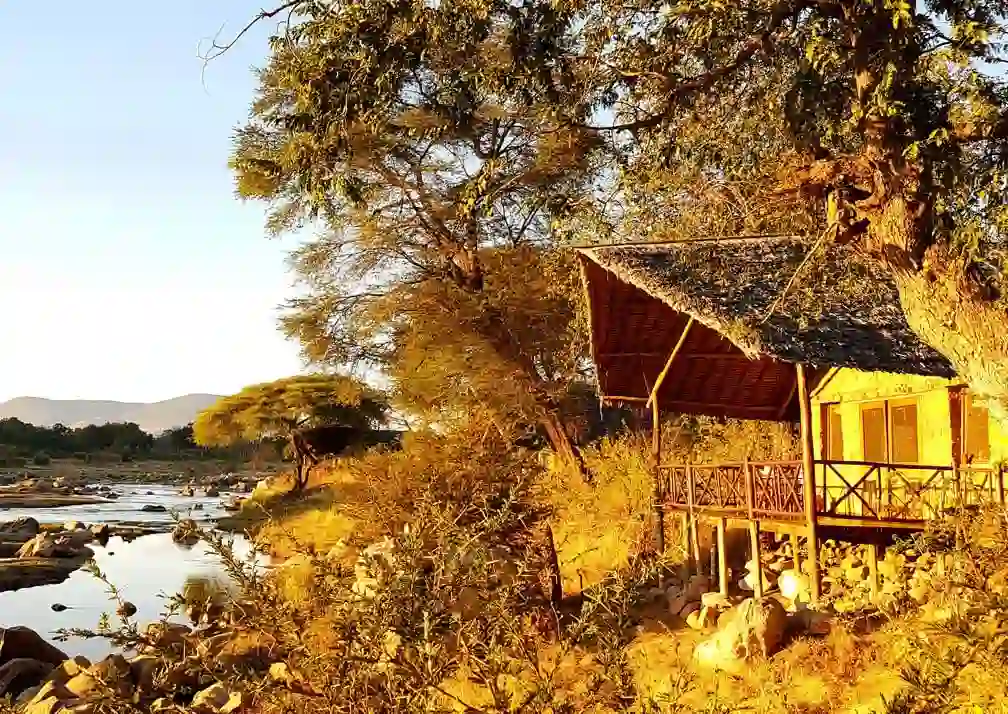
Comfortable permanent tented camps overlooking the Great Ruaha or its sand rivers, with en-suite tents, excellent guiding and walks straight from camp.
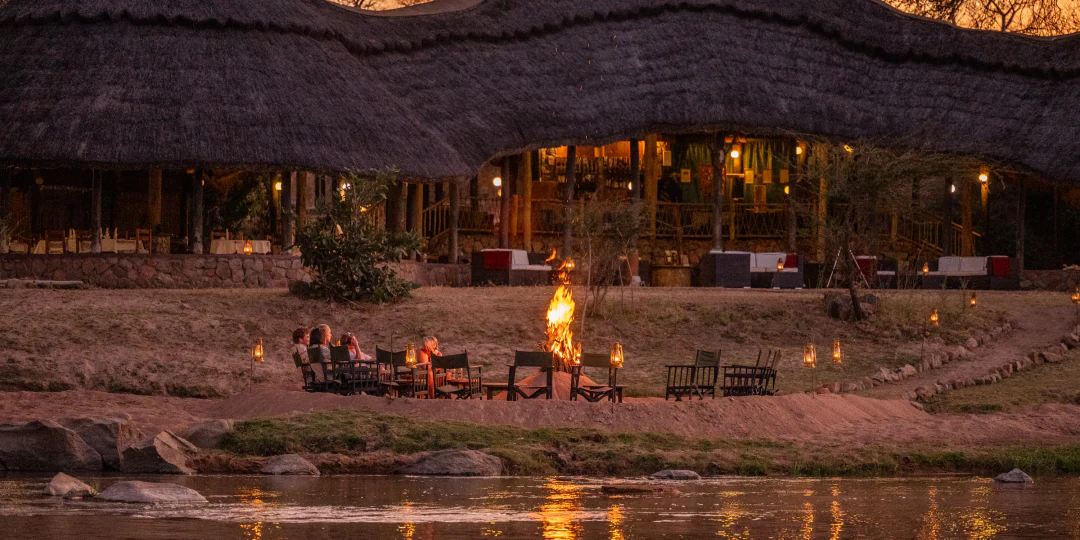
Small, exclusive camps in remote corners of the park, with spacious tents, private decks, fly camping and the feeling of having the wilderness to yourself.
Start with one of these safaris that include Ruaha, then work with our local expert to change the pace, the camps and the length.