Northern Circuit · Tanzania

Serengeti National Park

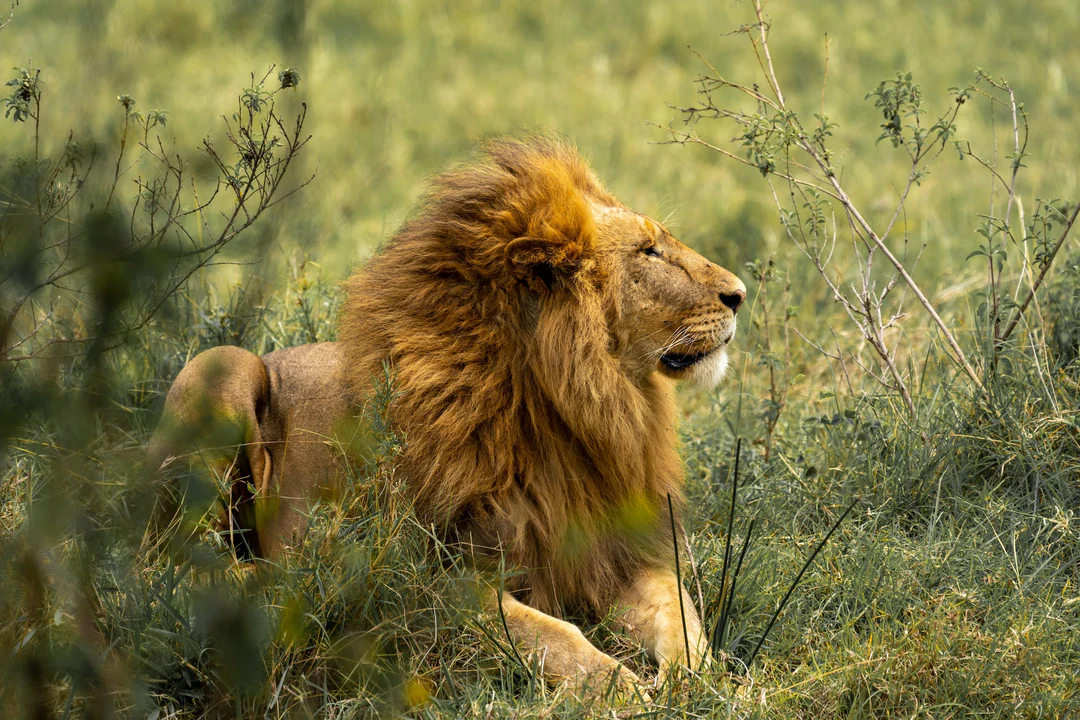
Serengeti is 14,763 km² of open grassland, granite kopjes and riverine forest in northern Tanzania, and the stage for the Great Migration: around two million wildebeest, zebra and gazelle moving in a loop that never stops. With the highest population of lions that are visible, in every month of the year.

Tripadvisor

Travelers' Choice Awards

Best timeJune to October for river crossings, late January to February for calving
Size14,763 km², Northern Circuit
Getting there1 to 1.5 hr flight from Arusha, or 7 to 8 hr by road
Known forGreat Migration, lions and cheetah, kopjes

The Serengeti: Endless Plains and the Herds That Cross Them

The name comes from the Maasai word siringet, the place where the land runs on forever, and once you are out on the southern plains it is hard to argue. Serengeti National Park covers 14,763 km² of northern Tanzania, running from the Ngorongoro highlands in the southeast to the Kenyan border in the north, where it meets the Masai Mara. It became a national park in 1951 and a UNESCO World Heritage Site in 1981, and it is still the most famous safari destination in Tanzania. It is not one landscape but four. The southern short-grass plains are open and almost treeless, and fill with calving wildebeest early in the year. The central Seronera Valley, with its rivers, acacia woodland and granite kopjes, holds wildlife all year and is one of the best places in Africa to find lion and leopard. The Western Corridor follows the Grumeti River toward Lake Victoria, and the remote northern Serengeti runs up to the Mara River, where the famous river crossings happen.

Beyond the migration, the park supports one of the largest lion populations in Africa, along with cheetah, leopard, spotted hyena, elephant, buffalo, giraffe, hippo and Nile crocodile, a small population of black rhino around the Moru Kopjes, and more than 500 bird species. Because the wildlife moves, so should you. We place you in the part of the park that is right for your dates, rather than in whichever camp is easiest to book, and we tell you plainly when a month is a poor fit for what you want to see. Most of our guests pair the Serengeti with the Ngorongoro Crater and Tarangire on a northern circuit safari that starts and ends in Arusha.

Things to Do in the Serengeti

Days are built around the light. Out at dawn for the game drive, back to camp through the midday heat, out again in the late afternoon when the cats start moving, or stay out all day, your choice. Everything else, from a balloon over the plains to a morning on foot with a ranger, fits around that rhythm, and your guide adjusts it to what the animals are doing that day.

See all activities

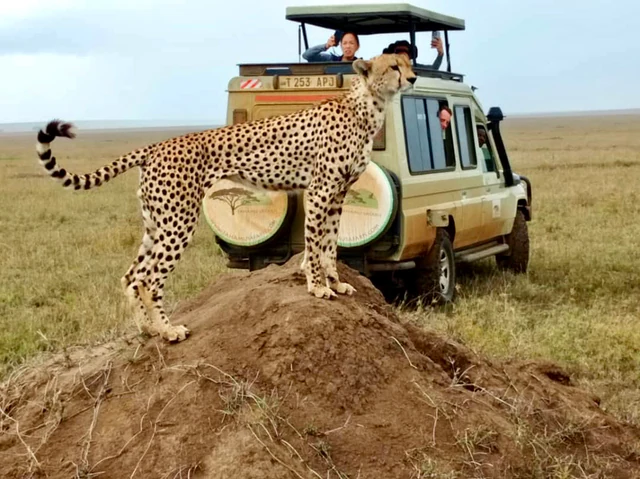
Game drivesMorning and afternoon drives in a 4x4 Land Cruiser with a pop-up roof and a window seat for everyone. Your guide reads the plains, the radio and the vultures, and you stay with a sighting for as long as it holds.
The Great MigrationAround 1.5 million wildebeest, with hundreds of thousands of zebra and gazelle, moving in a clockwise loop through the year. Calving on the southern plains from January, river crossings in the north from July.
Hot air balloon safariAn hour over the plains at sunrise, launching from central Seronera and seasonally from the south and north, followed by breakfast out in the bush. Book well ahead for July to October.
Walking safariGuided walks with an armed park ranger in permitted areas. Slower and quieter, and a completely different way to read the bush, from tracks and dung to the birds that give a predator away.
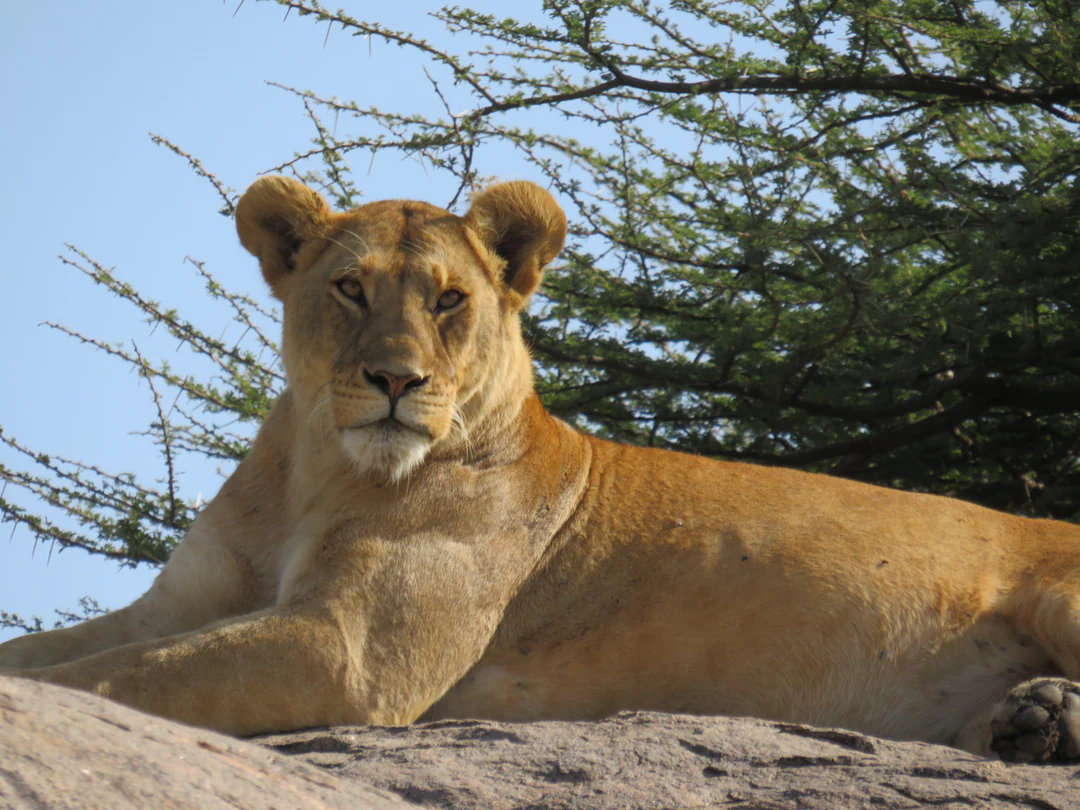
Big cats on the kopjesThe granite outcrops of Moru, Simba and the Gol Kopjes are lookout posts for lion and cheetah, and the sausage trees along the Seronera River are a classic place to find leopard resting in the branches.
BirdwatchingMore than 500 recorded species, from ostrich and kori bustard on the plains to Fischer's lovebird and grey-breasted spurfowl, both found only in this corner of East Africa. Best from November to April, when migrant birds arrive from Europe and Asia.

When to go

The Best Time to Visit the Serengeti, and Where the Migration Is Each Month

The rains move the grass, the grass moves the herds, and the herds move the predators. So there is no bad month in the Serengeti, only a different part of the park to be in. The resident lions, leopards, elephants and giraffe stay put all year. What changes is where the Great Migration is, how green the plains are, and how busy and expensive the camps get.

December to March: the southern plains The herds settle on the short-grass plains of the southern Serengeti and around Ndutu, on the Ngorongoro Conservation Area border. Calving peaks in late January and February, when roughly half a million calves are born in a few weeks and the predators are rarely out of sight.
April and May: the long rains. As the long rains arrive, the herds drift north-west through the central Serengeti around Seronera, heading for fresh grazing. The mating season begins, some camps close, tracks can turn to mud and rates drop sharply. A quiet, very green time for travellers who don't mind the odd downpour.
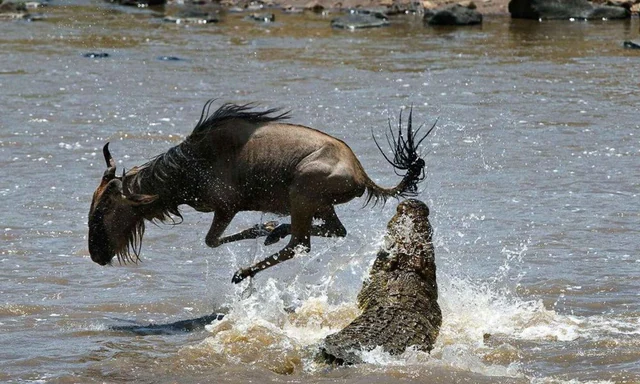
June and July: The Western Corridor The migration stretches out along the Grumeti River, where the first dramatic river crossings take place under the watch of large crocodiles. Cool mornings and easy driving.
July to October: the northern Serengeti. The herds reach the Mara River around Kogatende and Lamai. These are the months of the dramatic river crossings and the driest, easiest game viewing of the year, so book eight to twelve months ahead.
November and December: The short rains. Fresh rain draws the herds south again down the eastern side of the park through Lobo. Fewer vehicles, lower prices and good general game viewing.

The Great Migration never follows a fixed calendar, because the herds move with the rains and the grass. That is why choosing the right area of the Serengeti for your dates matters more than choosing a single "best" month. Tell us when you plan to travel, and we will place you where the herds are most likely to be →

Where to Stay in the Serengeti

View All accommodations
Budget

Campsites and budget tented camps

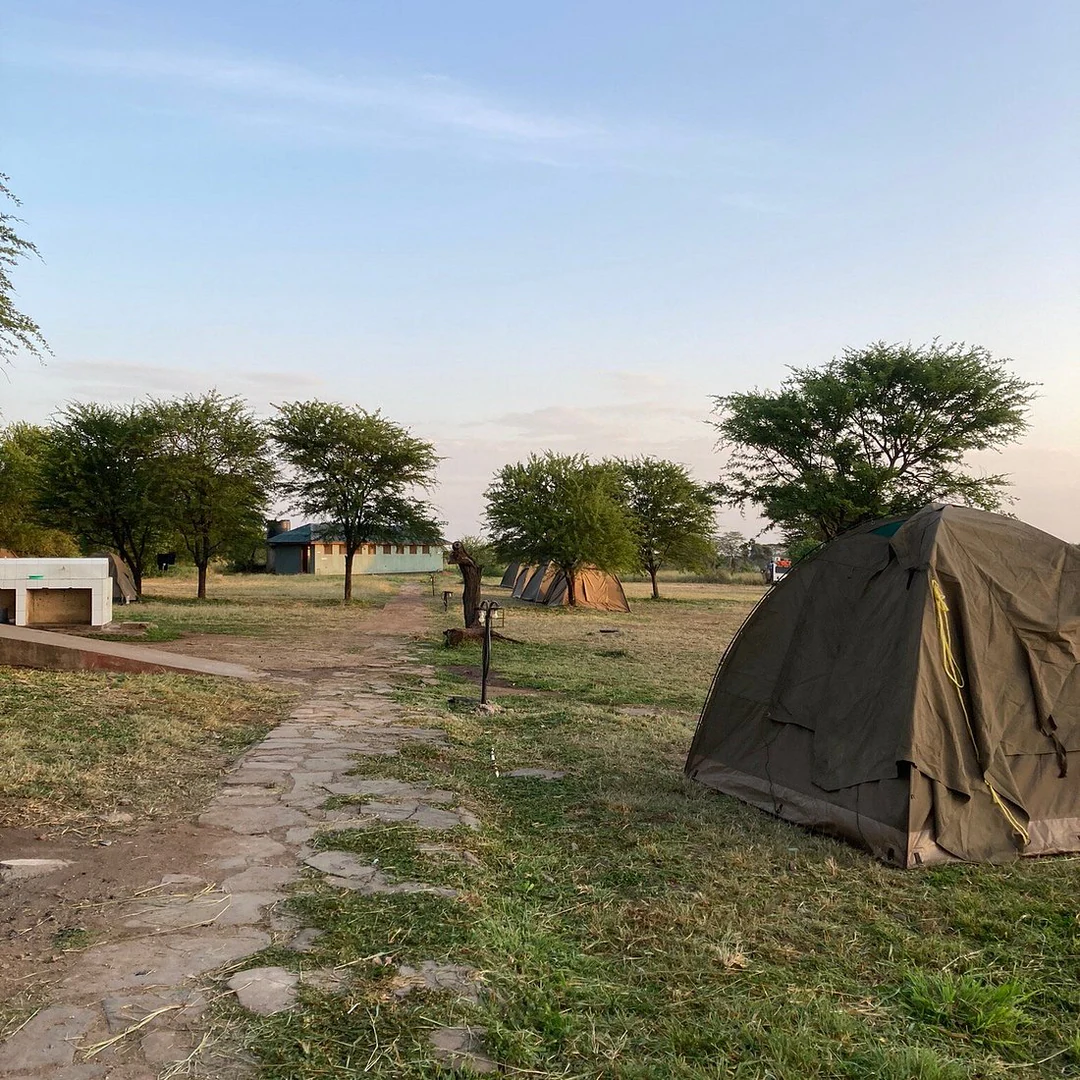
Dome tents at public campsites inside the park, or simple permanent tented camps with basic en-suite facilities. You sleep in the middle of the action for a fraction of the cost, and your days in the field are exactly the same.

Central Serengeti
Mid-range

Mid-range tented camps

Permanent and seasonal tented camps with proper beds, en-suite bathrooms and hot showers, many set up close to the migration for the season. Comfortable, well run and the choice of most of our guests.

Central, southern and northern Serengeti
Luxury

Luxury lodges and camps

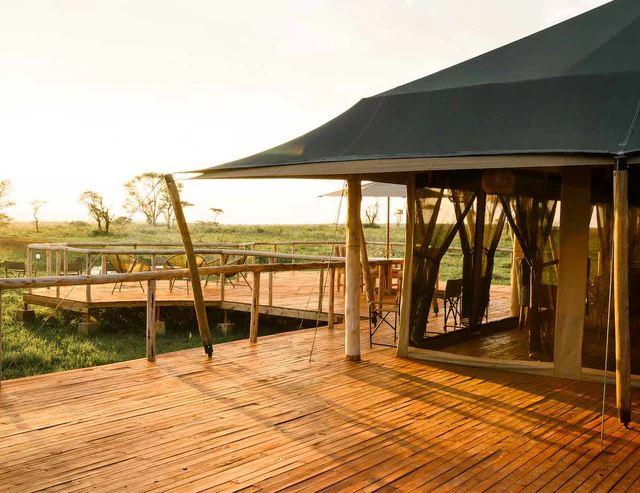
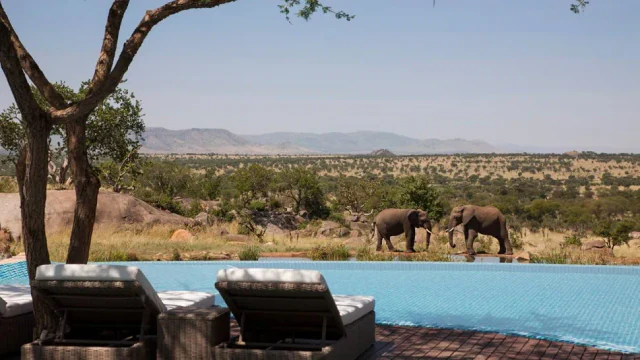
Spacious suites, private decks, fine dining and top guiding in prime spots, from the banks of the Mara River to private concession areas. Ideal for honeymoons and anyone who wants the best seat for a river crossing.

Northern Serengeti and private concessions

Serengeti Safaris, Tailored to You

Start with one of these Serengeti safari packages, then work with our local expert in Arusha to change the pace, camps or hotels and the length.

Serengeti Questions We Get Most Often

Will I definitely see a river crossing?No one can promise that, and we will not. Herds can gather on the bank for hours and then turn away. What we can do is place you close to the Mara River in the right weeks and give you enough time there, ideally three nights in the north, to make a crossing likely.
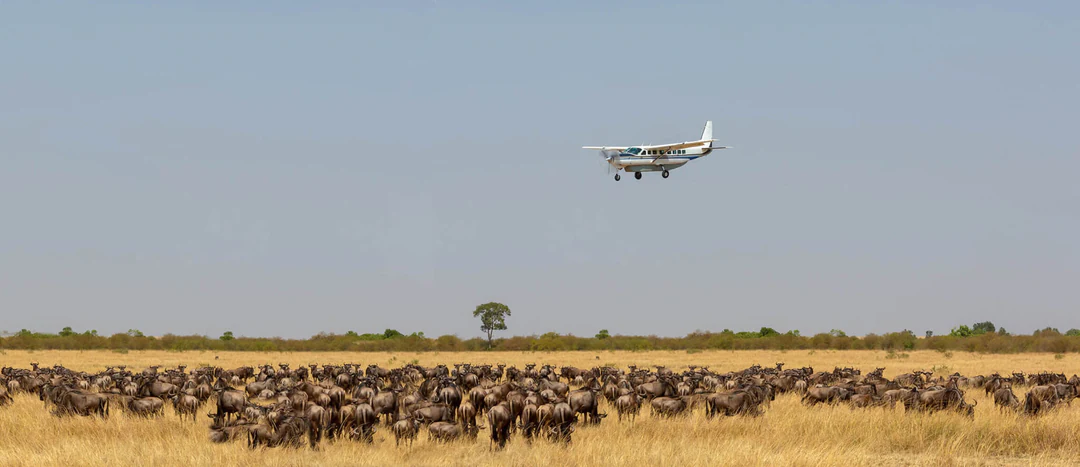
Is it worth flying in rather than driving?Usually yes if you have under a week. The drive from Arusha to the central Serengeti takes seven to eight hours, while a light-aircraft flight takes about an hour to an hour and a half and drops you straight into a game drive. Driving makes more sense when you are also visiting the Ngorongoro Crater, which sits on the way.
Can I see the Big Five in the Serengeti?Lion, leopard, elephant and buffalo are seen regularly. Black rhino live in the park but in small numbers, mainly around the Moru Kopjes, so sightings are rare. If Rhinos matter to you, add a day in the Ngorongoro Crater, where the odds are much better.
Can we combine the Serengeti with Zanzibar?Very commonly. Scheduled light-aircraft flights connect Serengeti airstrips with Zanzibar, so your safari can end on the coast without a long drive back to Arusha. Our 12-day bush to beach safari combines both.